What to check before booking a desert buggy ride
Booking a desert buggy ride is easy to do in a few minutes, but the details you check first can shape the whole day. The desert is a changing setting, not a flat track. Terrain, timing, safety gear, driving rules and the type of vehicle all matter. A little care before you confirm can help you avoid surprises and choose an experience that suits your group.
Start with the basics: what kind of ride is being offered, how long it lasts, and what is included in the booking. Some rides focus on open sand dune terrain, while others pair driving with a wider desert safari that may include stops, photo breaks or entertainment. Neither option is automatically better. The right choice depends on whether you want a short, active outing or a fuller desert visit with several parts to the day.
The vehicle and driving setup
Check what type of off-road vehicle is provided. A buggy and a quad bike feel different, even though both are used in the desert. A buggy usually has a seat, steering wheel and roll structure, while a quad bike is ridden more like a motorcycle and needs more balance. If you have never driven on sand before, a buggy may feel more familiar because the steering and seating position are closer to a car.
It is also worth asking whether the vehicle is driven by the guest or by a driver. Some experiences are self-drive, some are guided, and some use a mix of both. If you want control, confirm that you will be the person driving. If you are nervous about handling sand, a guided option may be more comfortable. For many first timers, the best buggy rental dubai option is the one that matches confidence level, not just the look of the vehicle.
Group size matters here too. A shared outing with several vehicles can be lively, but it may also mean waiting, following a set pace and spending less time on the parts you enjoy most. A smaller group can feel more relaxed and flexible. Ask how many vehicles usually take part and whether the route is adjusted for different skill levels.
Safety gear and basic condition checks
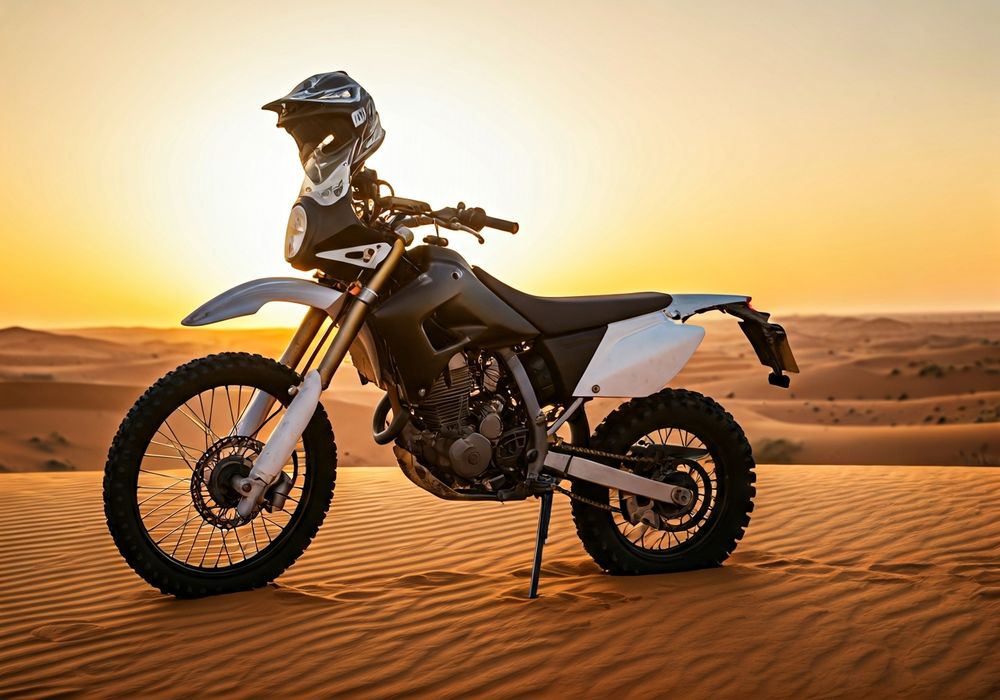
Safety should be part of the booking conversation, not an afterthought. Ask what protective items are supplied and what you should bring. A safety helmet is a basic expectation for driving. Desert goggles can also help with dust and bright light, especially when the wind picks up. Closed shoes are sensible, as sand, hot surfaces and vehicle pedals all make loose footwear a poor choice.
Before the ride begins, take a quiet look at the vehicle yourself. You do not need mechanical knowledge. Check that the seat feels secure, the steering responds normally, and the brakes feel firm when tested at low speed in a safe area. Look for loose parts, damaged panels or anything that seems out of place. If something does not feel right, say so before heading onto the dunes. A responsible operator would rather pause at the start than deal with a problem deep in the sand.
Clothing deserves attention as well. Lightweight, breathable layers work better than heavy items in warm weather, but the desert can cool later in the day. Bring something for sun cover and avoid long loose scarves or dangling accessories that could catch. Sunglasses, sunscreen and water are practical additions for most desert outings.
Route, terrain and pace
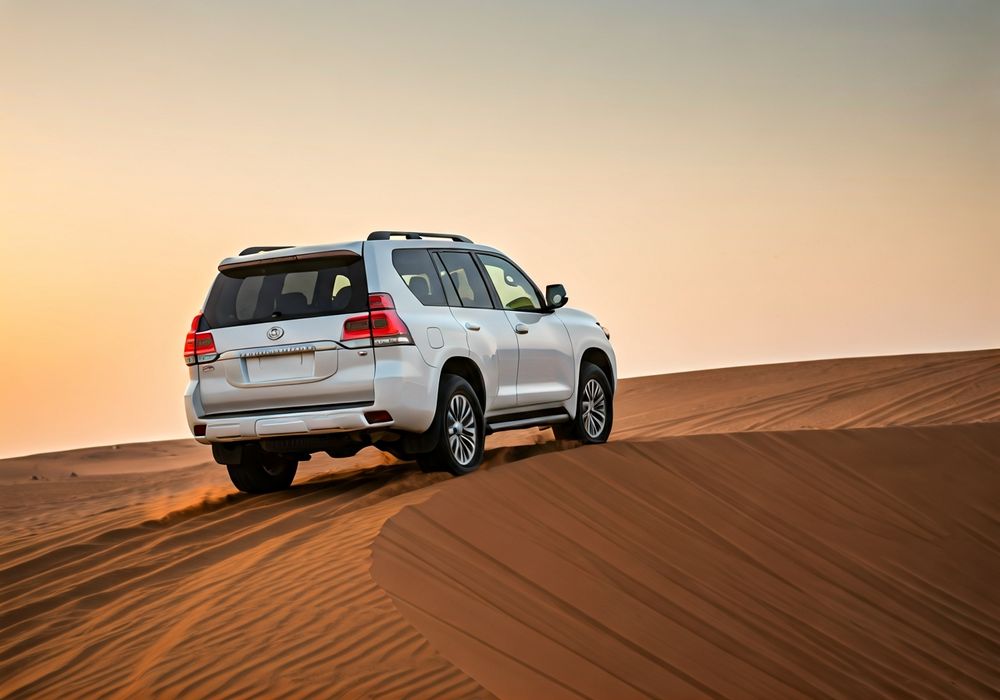
Not all dune rides are the same. Some routes stick to firmer ground and gentle slopes, while others include steeper climbs, descents and side slopes. If the idea of dune bashing appeals, check how it fits into the drive. Some guests enjoy the steep angles and quick changes in direction. Others prefer a steadier pace with time to take in the scenery.
Ask whether the route changes with conditions. Sand dune terrain shifts after wind and traffic, so a fixed path is not always realistic. A good operator will adapt the pace and line to the day, especially for beginners or families. If the answer sounds vague, treat that as a sign to ask more questions.
Also consider what happens between driving sections. Stops for photos can be a highlight, but only if they are placed in safe areas away from moving vehicles. Ask whether there is time to get out, stretch and take pictures. If the ride is packed tightly from start to finish, it may feel rushed, especially for newer drivers.
Timing and desert conditions
The time of day changes the feel of the ride. Morning can be cooler and calmer, with clearer light across the dunes. Midday heat can be harsh and tiring. Late afternoon brings softer colours and a more relaxed mood, and a sunset tour can pair driving with the wider desert setting. The best time depends on comfort, heat tolerance and the kind of atmosphere you want.
Check how long the full experience lasts, not just the driving portion. Transfers, safety briefings, stops and breaks all add time. A short drive may be enough for someone who simply wants to try it. A longer visit may suit travellers who want the full desert safari feel. Make sure the schedule leaves room for the rest of your day.
Weather is another practical point. Wind can lift dust and reduce visibility, while heavy heat can make even a short ride uncomfortable. Conditions can change quickly, so it helps to understand the policy if the ride is affected. Clear communication about delays, changes or alternatives is a useful sign of an organised operation.
Booking terms and what is included
Before paying, read the booking details closely. Check what is covered and what is not. This may include the vehicle, fuel, safety gear, guiding, transfers, entry costs where relevant, and any add-ons. When comparing buggy rental dubai options, look beyond the headline offer. Two rides that appear similar can differ in route length, group size, driving time and level of guidance.
Ask about age rules, driving requirements and whether a licence is needed. Rules can vary by operator and by vehicle type. If children are coming, check whether they can ride as passengers, and what seating or safety arrangements apply. If one person wants to drive and another prefers not to, confirm whether that can be accommodated before the day.
Fitness, comfort and personal limits
A desert drive can be more physical than it looks. Steering on sand takes effort, and bumps, turns and slopes can be tiring. Guests with back problems, neck issues, motion sensitivity or limited mobility should think carefully before choosing a rougher route. It is better to pick a gentler outing than to push through discomfort.
Pregnancy, recent injuries and certain medical conditions may also affect suitability. When in doubt, ask for the route details and make a sensible decision based on your own health needs. If you are unsure about driving, you may still enjoy the desert as a passenger in a guided vehicle.
Hydration and food are worth planning around. A short morning ride may need little preparation beyond water and sun protection. A longer outing that overlaps a meal time needs more thought. Check whether refreshments are part of the booking or whether you should eat before arriving.
Questions that clarify the choice
A few direct questions can prevent most misunderstandings. They also reveal how clearly the operator explains the experience. If answers are vague, rushed or inconsistent, pause before confirming.
- Will guests drive the vehicle, or is a driver provided?
- What safety gear is supplied, and what should guests bring?
- How much of the total time is actual driving?
- Is the route suitable for beginners, families or mixed ability groups?
- What happens if weather or sand conditions change the plan?
The way those questions are answered can be as useful as the answers themselves. Clear explanations suggest a smoother experience. Overpromising, pressure or casual attitudes toward safety deserve caution.
Matching the ride to the right experience
The final decision should rest on fit. A thrill focused rider may want a more energetic route with plenty of dune work. A first time visitor may prefer a calm introduction, time for photos and a clear briefing. A family may need passenger seating, shade and a schedule that is not too long.
Think about the whole day, not only the drive. Desert trips often involve heat, sand, transfers and waiting between activities. Comfortable clothes, water, sun protection and a realistic pace make the outing more enjoyable. Keep valuables minimal and secure, and follow all instructions given during the briefing.
A good booking feels straightforward before the day arrives. You know what you are getting, what to bring, how the ride works and what happens if conditions shift. With those points settled, the desert experience can be enjoyed for what it is: open sand, changing light and the distinctive thrill of crossing dunes in a purpose built vehicle.